
Salt spray test
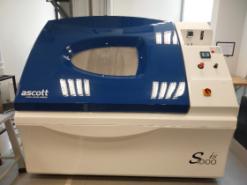
How does the salt spray test work?
The test specimens are placed in a sealed chamber where a fine salt spray is dispensed at a temperature of approximately 35°C. This mist consists of a salt solution containing 5% sodium chloride (similar to seawater). The material is exposed to the mist for a specified period. After the test, the damage is assessed: is there any rust formation, blistering of the paint, discolouration or any other sign of corrosion?
What does the test reveal?
The salt spray test provides information on:
- The corrosion resistance of a material or coating in a marine environment
- The quality and durability of protective coatings (paint, zinc, powder coating, etc.)
- Comparisons between different products, treatments and suppliers
Related standards
- EN ISO 9227 – Corrosion tests in artificial atmospheres – Salt spray tests
- ASTM B 117 - Standard practice for operating salt spray (fog) apparatus